CRM Management Services
How CRM Management Turns Missed Leads Into Sales Opportunities
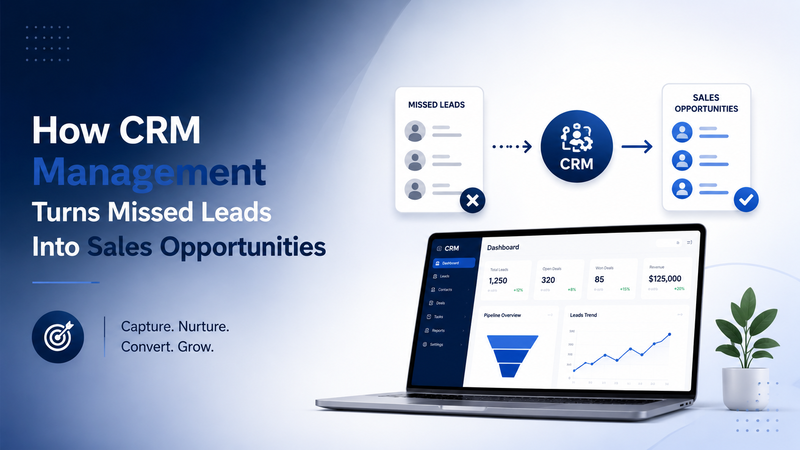
B2B sales teams often spend significant time generating leads, qualifying prospects, and scheduling follow-ups. Yet many potential opportunities never become sales because they get buried in outdated records, duplicate entries, incomplete contact information, or inconsistent follow-up processes. This is where effective CRM management can make a measurable difference.
A well-managed CRM does more than store customer information. It helps sales teams find overlooked prospects, organize follow-ups, improve data accuracy, and create new opportunities from leads they already have.
How Poor CRM Management Causes Qualified Leads to Slip Through the Sales Funnel
When CRM records are poorly maintained, sales representatives may struggle to determine which prospects have already been contacted, which leads need follow-up, and which opportunities are still active.
Missing contact details, outdated job titles, inconsistent notes, and inactive records can cause qualified prospects to be overlooked. As the database grows, these problems become harder to identify manually.
Professional CRM management services help businesses maintain structured records so sales teams can spend less time searching for information and more time engaging prospects.
How Organized CRM Data Helps Sales Teams Identify Missed Opportunities Faster
An organized CRM makes it easier to see where prospects are within the sales process. Sales teams can identify leads that received an initial message but never received a second follow-up, opportunities that stalled, and prospects who previously showed interest.
With better CRM data management, sales representatives can use existing information to create targeted follow-up lists instead of starting prospecting from scratch.
How CRM Lead Tracking Keeps Prospects From Getting Lost Between Sales Follow-Ups
A prospect may need several interactions before making a purchasing decision. Without consistent tracking, leads can easily disappear between calls, emails, meetings, and handoffs between team members.
CRM lead tracking creates a clearer record of interactions and next steps. Sales teams can identify overdue follow-ups and maintain a more consistent outreach process.
This reduces the possibility of qualified prospects being forgotten simply because nobody knows who is responsible for the next action.
How Clean CRM Records Help Sales Teams Reconnect With Previously Missed Leads
Older leads are not automatically worthless. A prospect who was not ready six months ago may have a new budget, changed priorities, or become more interested in the company's solution.
Clean records allow sales teams to identify these previous opportunities and reconnect with them. Through CRM data cleaning, businesses can improve record accuracy and make older databases more useful for future campaigns.
How Lead Segmentation Helps Sales Teams Prioritize High-Value Prospects
Not every lead deserves the same level of attention. Sales teams can segment CRM records according to industry, company size, location, job role, previous engagement, buying stage, or other business criteria.
This allows representatives to focus their time on prospects with stronger potential instead of working through an unorganized database.
Effective segmentation is especially valuable for B2B CRM services because B2B sales cycles often involve multiple decision-makers and longer buying processes.
How CRM Data Cleaning Removes Duplicates and Prevents Sales Teams From Wasting Time
Duplicate records can create unnecessary work. Two representatives may unknowingly contact the same person, or a salesperson may waste time researching a prospect whose information already exists elsewhere in the CRM.
Duplicate removal, standardization, and record validation help create a more reliable database. CRM services for small businesses can be particularly useful when internal teams do not have enough time to continuously audit large CRM databases.
How Updated Contact Data Helps Businesses Re-Engage Inactive and Unresponsive Leads
Contact information changes frequently. People move between companies, change positions, update their business email addresses, or become responsible for different purchasing decisions.
When CRM information is outdated, re-engagement campaigns can fail before they begin. Updating contact information helps sales teams reconnect with the right people and improve the usefulness of inactive lead records.
This makes customer relationship management services valuable not only for current opportunities but also for future sales activity.
How CRM Management Creates More Opportunities From Existing Lead Databases
Businesses do not always need more leads to generate more opportunities. Sometimes the potential is already sitting inside their CRM.
A company may have thousands of old prospects that were never properly followed up, leads that became inactive, or contacts that were never categorized correctly. Reviewing and organizing these records can uncover opportunities that were previously hidden.
Instead of repeatedly purchasing new data, businesses can make better use of the information they already own.
How LeadsCampaign Helps Businesses Turn Untapped CRM Data Into Sales Opportunities
LeadsCampaign helps businesses improve the quality and usability of their CRM databases through structured CRM management and data-focused services.
By organizing records, identifying duplicates, improving data accuracy, and maintaining useful prospect information, businesses can create a stronger foundation for sales outreach.
The goal is not simply to make a CRM look cleaner. Better CRM management should help sales teams find useful prospects faster, prioritize opportunities more effectively, and reduce time spent working with unreliable records.
How Better CRM Management Builds a More Consistent and Revenue-Focused Sales Pipeline
A clean and organized CRM gives sales teams greater visibility into their pipeline. Representatives can see which prospects need attention, which opportunities have stalled, and where additional follow-up may generate results.
Consistent CRM management company support can also reduce repetitive administrative work and help businesses maintain better data quality as their databases grow.
When CRM management becomes an ongoing process rather than a one-time cleanup, sales teams can continuously turn existing data into actionable opportunities.
Conclusion
Missed leads are not always a lead-generation problem. In many cases, businesses already have valuable prospects in their CRM but lack the organization and data quality needed to identify them.
Effective CRM management helps businesses remove duplicates, update records, track follow-ups, segment prospects, and reconnect with previously missed opportunities. By improving the quality of existing CRM data, sales teams can spend less time searching and more time selling.
For businesses looking to get more value from their existing databases, professional CRM management can turn overlooked records into a more consistent source of sales opportunities.
FAQs
1. How does CRM management help sales teams save time?
It organizes customer records, reduces duplicate data, improves lead tracking, and makes it easier for sales representatives to find the prospects that need attention.
2. Can CRM management help recover old leads?
Yes. Clean and updated CRM records can help businesses identify previously missed or inactive prospects and create targeted re-engagement campaigns.
3. Why is CRM data cleaning important for B2B sales?
CRM data cleaning removes duplicate, outdated, and inaccurate information, helping sales teams avoid wasted outreach and focus on reliable prospect records.
4. Do small businesses need CRM management services?
Yes. Small businesses can benefit from organized CRM data because limited sales teams cannot afford to waste time researching duplicate or outdated records.
5. How can businesses get more opportunities from existing CRM data?
Businesses can clean their database, update contact information, segment leads, review inactive prospects, and establish consistent follow-up processes.
6. What does a CRM management company do?
A CRM management company can help businesses organize, clean, update, and maintain CRM data so sales and marketing teams can use their databases more effectively.
Comments
No comments yet. Be the first to comment!